
Safety Guidelines for Operating Pneumatic Vibrators
Operating pneumatic vibrators requires strict adherence to safety guidelines to prevent accidents, ensure efficient operation, and prolong the lifespan of the equipment. This article outlines essential safety guidelines for operating pneumatic vibrators, covering key aspects from preparation to maintenance.
1. Understanding Pneumatic Vibrators
What Are Pneumatic Vibrators?
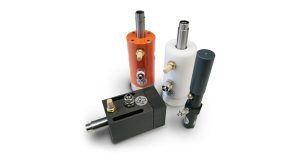
Pneumatic vibrators are devices powered by compressed air, used to generate vibrations for various industrial applications. They are commonly employed to facilitate the movement and handling of bulk materials, prevent blockages, and ensure consistent flow in hoppers, bins, and chutes.
Common Applications
Pneumatic vibrators are used in industries such as manufacturing, construction, food and beverage, mining, agriculture, pharmaceutical, and waste management. Their applications include material handling, concrete compaction, ingredient handling, and more.
2. Pre-Operation Safety Measures
Personal Protective Equipment (PPE)
Before operating pneumatic vibrators, ensure you are wearing appropriate personal protective equipment (PPE). This includes safety glasses, gloves, hearing protection, and any other PPE required by your specific work environment.
Inspection and Maintenance
Conduct a thorough inspection of the pneumatic vibrator and associated equipment before use. Check for any signs of damage, wear, or leaks in the air supply lines. Ensure all connections are secure and that the vibrator is properly mounted.
Training and Certification
Operators should be adequately trained and certified to handle pneumatic vibrators. Training should cover the safe operation, potential hazards, emergency procedures, and routine maintenance of the equipment.
3. Safe Operation Practices
Proper Installation
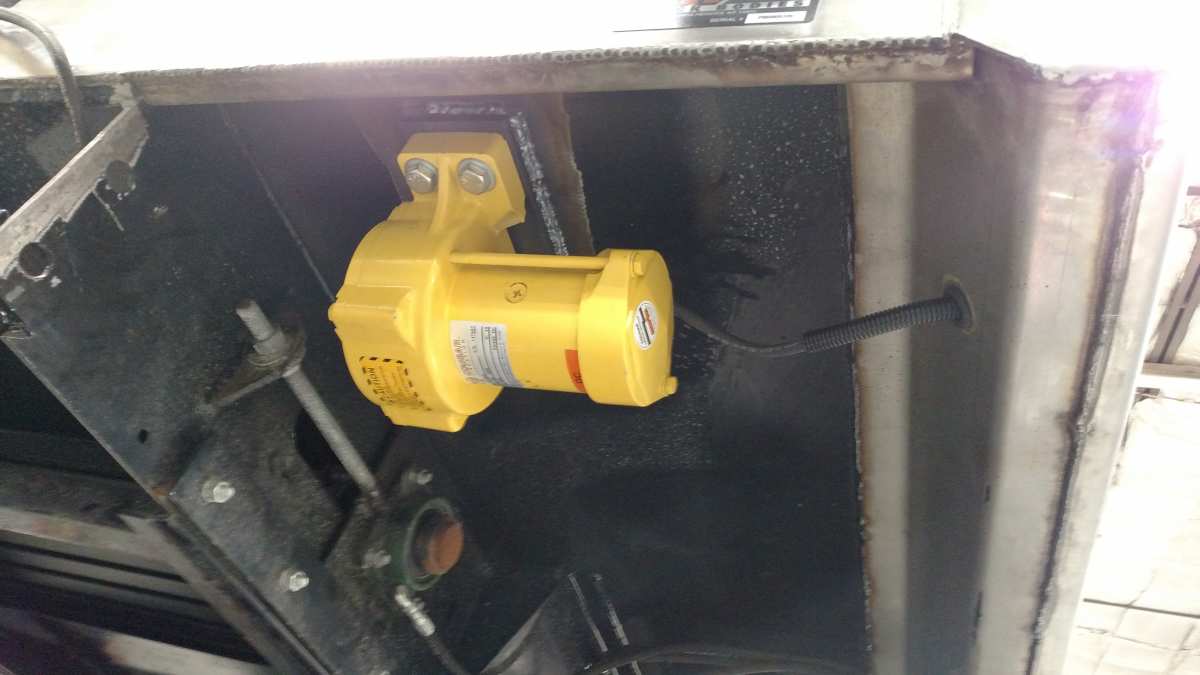
Ensure the pneumatic vibrator is installed correctly according to the manufacturer’s instructions. Improper installation can lead to equipment failure and pose safety risks. Use the recommended mounting hardware and techniques.
Controlled Air Supply
Regulate the air supply to the pneumatic vibrator carefully. Over-pressurization can cause the equipment to malfunction, while insufficient air pressure can reduce its effectiveness. Use a pressure regulator to maintain the appropriate air pressure levels.
Secure Mounting
Verify that the pneumatic vibrator is securely mounted to the equipment. Loose mounting can lead to vibrations being transferred to unintended areas, causing damage or posing safety hazards to operators.
Monitor Operation
Continuously monitor the operation of the pneumatic vibrator. Listen for any unusual noises or changes in vibration patterns, which may indicate a problem. Stop the operation immediately if any issues are detected and perform a thorough inspection.
4. Handling Potential Hazards
Noise Exposure
Pneumatic vibrators can generate significant noise levels. Ensure that operators and nearby personnel are equipped with adequate hearing protection. Implement noise control measures, such as sound barriers or enclosures, if necessary.
Vibration Exposure
Prolonged exposure to vibrations can lead to health issues such as Hand-Arm Vibration Syndrome (HAVS). Limit the duration of exposure for operators and rotate tasks to minimize continuous contact with vibrating equipment.
Air Supply Hazards
Compressed air systems can pose several hazards, including high-pressure air leaks and the risk of flying debris. Regularly inspect and maintain air supply lines, and ensure they are free from damage or obstruction. Always depressurize the system before performing any maintenance.
5. Emergency Procedures
Emergency Stop Mechanism
Ensure that the pneumatic vibrator is equipped with an emergency stop mechanism. Operators should be familiar with its location and operation. In case of an emergency, immediately use the stop mechanism to halt the operation.
First Aid and Medical Assistance
Provide first aid training to operators and ensure that medical assistance is readily available in case of an accident. Keep a well-stocked first aid kit accessible and know the procedures for contacting emergency medical services.
Incident Reporting
Establish a clear protocol for reporting incidents and near-misses. Prompt reporting allows for timely investigation and implementation of corrective measures to prevent future occurrences.
6. Maintenance and Inspection
Routine Maintenance
Perform regular maintenance on pneumatic vibrators according to the manufacturer’s guidelines. This includes cleaning, lubrication, and replacement of worn or damaged parts. Document all maintenance activities for reference.
Periodic Inspections
Conduct periodic inspections of the pneumatic vibrator and associated equipment. Look for signs of wear, damage, or potential failure points. Address any issues immediately to prevent accidents and ensure continuous safe operation.
Calibration and Testing
Regularly calibrate and test the pneumatic vibrator to ensure it operates within the specified parameters. Calibration helps maintain optimal performance and safety. Record all calibration and testing results for future reference.
7. Operator Training and Awareness
Ongoing Training Programs
Implement ongoing training programs for operators to keep them updated on the latest safety practices and equipment advancements. Regular training sessions reinforce safe operating procedures and highlight the importance of safety compliance.
Safety Meetings and Reviews
Conduct regular safety meetings and reviews to discuss any safety concerns, incidents, or near-misses. Encourage operators to share their experiences and suggestions for improving safety practices. This collaborative approach fosters a culture of safety within the organization.
Continuous Improvement
Strive for continuous improvement in safety practices. Regularly review and update safety guidelines based on new information, technological advancements, and feedback from operators. Investing in safety not only protects employees but also enhances productivity and reduces operational costs.
Conclusion
Operating pneumatic vibrators safely is essential for preventing accidents, ensuring efficient operation, and prolonging the lifespan of the equipment. By following the outlined safety guidelines, including proper installation, controlled air supply, secure mounting, and ongoing maintenance, operators can minimize risks and create a safer work environment. Regular training and continuous improvement in safety practices further enhance the safety and efficiency of pneumatic vibrator operations.